


12-Step Home Security Checklist for Families
A package arrives while you are at work. Your child gets home before you do. A relative needs access while you are away for the weekend. These ordinary moments are where a practical home security checklist for families earns its place. The goal is not to make your home feel complicated or watchful. It is to make everyday access safer, clearer, and easier to manage.
For families, effective security is built around routines. Start with the places people enter, the devices they use, and the habits that can prevent small oversights from becoming bigger problems.
1. Start with every entry point
Walk through your home as if you were arriving for the first time. Check the front door, back door, garage entry, sliding doors, balcony doors, first-floor windows, and any connecting doors from a garage or shared hallway. A strong front door lock is useful, but it should not be the only protected point in the home.
Inspect the door frame as well as the lock. A quality deadbolt cannot do its job well if the strike plate is loose or attached with short screws. Make sure exterior doors close and latch properly without needing to be pushed or lifted. If a door sticks, fix the alignment before adding smart hardware.
For apartments and condos, focus on the main entrance, balcony access, and any windows that open onto a common corridor or low-level area. For houses, do not overlook side gates, garage service doors, and backyard access. Security needs differ by layout, so a quick physical audit is more useful than copying someone else’s setup.
2. Upgrade locks with family access in mind
A digital door lock can remove the daily question of who has the key. Families can use individual PIN codes, fingerprint access, cards, or app-based entry depending on the lock and household preferences. Individual access methods are especially useful because you can change one code if needed instead of replacing keys or resetting access for everyone.
Choose convenience carefully. A simple keypad may be enough for a small household, while a larger family may benefit from user-specific codes and access records. Look for a lock with a low-battery alert and a mechanical backup option. Keep any physical override key in a secure, accessible location outside the home only if your property allows it.
Avoid sharing one permanent code with every visitor, cleaner, contractor, or neighbor. Create temporary access when possible, then remove it when the visit or job is complete. It is a small habit that gives you more control without adding friction to daily life.
3. Make windows and sliding doors harder to overlook
Windows are easy to forget because they are rarely used as the main way in. Check that locks engage properly and that children cannot easily open windows in unsafe locations. Window sensors can send an alert when a protected window opens, which is helpful for ground-floor rooms, balconies, and doors leading to outdoor spaces.
Sliding doors deserve extra attention. Confirm that the lock works, the track is clean, and the door cannot be easily lifted from the track. A secondary security bar can add protection, but it should never block a required emergency exit. Family safety always comes before an extra layer of physical security.
Window coverings also play a role. Motorized blinds or curtains can provide privacy on a schedule, making it less obvious when a home is empty. They are not a substitute for locks, but they support a more considered security routine while adding comfort and light control.
4. Put cameras where they solve a real problem
A video doorbell or outdoor camera can help you see deliveries, visitors, and activity near key entrances. The best camera placement is practical: cover the front door, driveway, garage entry, or side passage where visibility is limited. More cameras are not automatically better.
Avoid placing cameras in bedrooms, bathrooms, or other private spaces. If you use indoor cameras in common areas, make the purpose clear to everyone in the household, including caregivers and older children. Privacy matters inside a family home, and security technology should support trust rather than undermine it.
Before buying, consider how you want alerts to work. Constant notifications can quickly become background noise. Set activity zones and notification preferences so you are alerted to meaningful movement near doors and access points, not every passing car or tree branch.
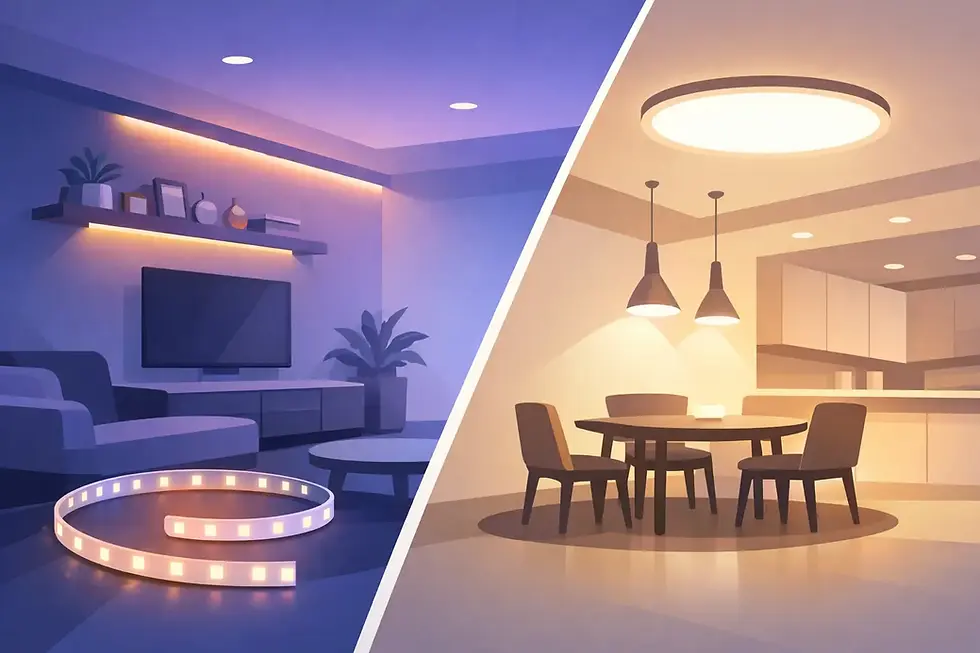
5. Use lighting as an active security layer
A dark entryway makes it harder for family members to find keys, see steps, or identify who is outside. Motion-activated lighting near the front door, driveway, walkway, and backyard can improve visibility when someone arrives late. Timed lighting indoors can also make an empty home look occupied during school holidays or travel.
Choose lighting that fits the space. Bright floodlights may make sense for a detached garage, while a condo entry may only need a well-placed smart light that turns on when the door unlocks. The right solution is the one that improves visibility without disturbing neighbors or shining directly into bedrooms.
6. Connect devices, but keep control simple
A connected home works best when it reduces steps. Pairing a digital lock, door sensor, camera, lighting, and alarm through one app can make it easier to check the home before bed or when leaving for vacation. A single dashboard is especially useful when two adults share household responsibilities.
Do not automate every action without thinking through the result. For example, automatically unlocking a door when a phone comes nearby may be convenient, but it may not suit a busy household with children, guests, or shared entryways. Use automation for repeatable tasks such as turning on entry lights after sunset or notifying you when a door is left open.
Protect the system itself. Use a unique password for your home app, turn on two-factor authentication when available, and keep devices updated. Remove access for old phones, former tenants, or service providers once it is no longer needed.
7. Give children clear, age-appropriate routines
Technology is more effective when children understand the basics. Teach them not to open the door for unexpected visitors, even if the person says they know the family. Show older children how to enter using the approved code or fingerprint method, how to lock up after entering, and who to call if they feel unsafe.
Keep the rules short enough to remember: come in, lock the door, check in with a parent or guardian, and do not share access codes. If your child walks home from school, test the routine together a few times. The first independent afternoon should not be the first time they use the lock or alarm.
8. Build a leaving-home and bedtime check
Security is easiest to maintain when it is part of a routine rather than a last-minute worry. Your family does not need a long inspection every day. A few consistent checks can cover most of the basics.
For a useful daily checklist, make sure you:
Lock exterior doors, including the garage-to-home door.
Close and secure accessible windows and sliding doors.
Turn on entry or perimeter lighting after dark.
Confirm that alarm or sensor notifications are active.
Keep valuables, spare keys, and garage remotes out of plain view.
At bedtime, add a quick check of the front door, balcony or patio door, and any windows your children may have opened earlier. Keep the routine calm and repeatable. Security should not become a stressful end to the day.
9. Plan for visitors, deliveries, and service work
Families often need flexible access. Grandparents may help with school pickup. A pet sitter may visit during a trip. A contractor may need to enter while you are at work. Temporary access codes are safer and more convenient than leaving a key under a mat or in an unlocked mailbox.
For expected deliveries, use a video doorbell to speak with the driver when needed and avoid opening the door unless you recognize the situation. If a person arrives claiming to represent a utility company or service business, verify their identity through an official contact method before letting them in.
10. Prepare for emergencies, not just intrusions
A family security plan should account for fire, medical needs, and severe weather as well as unwanted entry. Make sure everyone knows at least two ways out of the home where possible. Do not install bars, furniture, or security devices that prevent a quick exit during an emergency.
Test smoke alarms regularly, keep a flashlight available, and make sure older children know your address and a trusted emergency contact. If your smart devices depend on Wi-Fi, understand what still works during an internet outage and whether key locks have battery backup.
11. Revisit your home security checklist after life changes
Security needs change when a child starts school, a caregiver begins visiting, a teen gets their own access code, or you move into a new home. Review your setup after a renovation too. New doors, windows, gates, cabinets, and room layouts can create new access points or improve opportunities for better lighting and visibility.
Renters should check building rules before changing locks, drilling into doors, or installing exterior cameras. Homeowners in managed communities may also have requirements for door hardware and visible devices. A good plan works with the property, not against it.
12. Choose improvements that your family will actually use
The most effective home security setup is not necessarily the most expensive one. It is the one your family can use confidently every day. Start with secure entry points, clear access rules, good lighting, and reliable emergency habits. Then add connected devices where they remove a real inconvenience or solve a specific visibility gap.
A safer home should still feel like home: easy to enter, comfortable to leave, and simple to manage when life gets busy.


Comments